

(AI Photo)
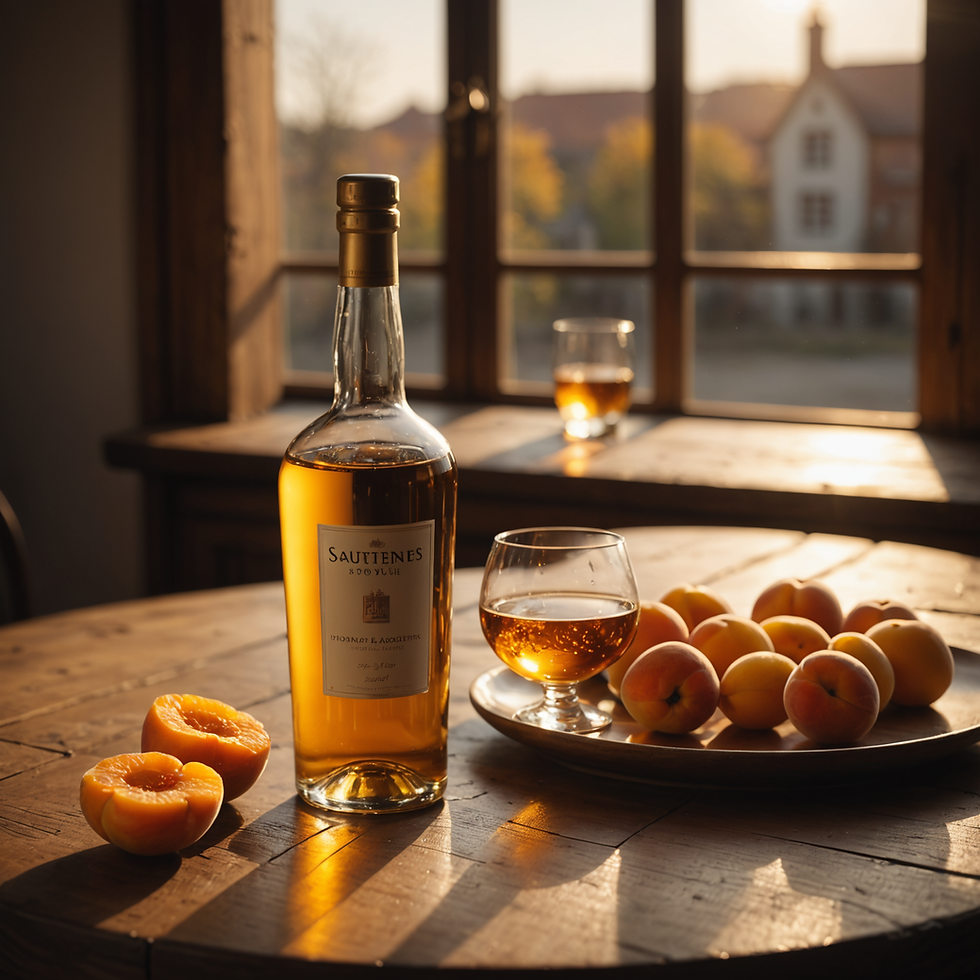
Most tasting notes for white wines are now outdated, and recent reviews are rare. I tasted again last evening with some new-wave Cantonese dishes in a restaurant on Observatory Road. Gold with bright clarity. No signs of oxidation. The wine is still very lively, with citrus flavours like lemon and grapefruit, crisp white peach, and a strong mineral backbone. Its fresh acidity gives it lift and length. The mid-palate is textured, with some creamy development, but it is focused and energetic. The finish is long, clean, and mineral, with lingering citrus and a gentle touch of salinity.
Reference tasting notes and experience are difficult to come by with this medium-bodied wine (13% ABV). The average Wine-Searcher price is about HK$350 to HK$430 per bottle, and international critics usually score it between 91 and 94 points, showing its steady quality and ageing potential. Our price of $ 299 is almost a steal.
It is surprisingly good that Château Olivier 2014 Blanc is still performing so well after more than 12 years. It blends freshness with new secondary flavors. The wine is at its peak now and should stay excellent for another two to three years. Recent tastings in Scotland and Ireland confirm its quality, with reviewers commending its refinement and depth.

(AI Photo)
Crafted from a dedicated three-hectare plot within Moulis-en-Médoc, Blanc de Chasse-Spleen 2017 is a remarkably poised dry Bordeaux white that offers exceptional value. With a blend of roughly 55% Sémillon and 45% Sauvignon Blanc, it achieves a delicate balance between aromatic freshness and structural depth.
Over time, the fruit has evolved beautifully. What began as crisp grapefruit and green apple notes in its youth has developed into richer layers of ripe white peach, candied lemon zest, orange blossom, and delicate dried stone fruits. Thanks to the high proportion of Sémillon, ageing has also introduced luxurious secondary notes—mature honey, a gentle creaminess, and a subtle touch of smoky oak.
Despite this added complexity, the wine remains vibrant and lively on the palate, with bright acidity that keeps the fruit fresh and energetic, never heavy. The use of bâtonnage, partial oak fermentation, and up to 80% new oak underscores the meticulous focus on quality. Hidden in my warehouse are 12 bottles of Blanc de Chasse-Spleen, long forgotten but shining like gold, and I am genuinely excited to revisit this often-overlooked white.
The palate retains crisp acidity and stony, flinty minerality that gives way to a rounded, silky texture, while maintaining a fresh, modest alcohol level of 12.5% ABV.
Winding back, the winemaking team uses a split vinification strategy to achieve this texture without losing its vibrant fruit profile. The grapes ferment in a mix of temperature-controlled stainless steel vats—which preserve the wine's fresh citrus character—and French oak barriques, up to 80% of which are new. After fermentation, the wine matures on its fine lees with regular bâtonnage in oak barrels (around 50% new oak) for six to nine months before bottling, imparting a delicate oak richness and complex mouthfeel. I find this wine expensively made in the style of crus classes.
This disciplined approach brings a crisp, well-structured wine that consistently earns praise from leading Bordeaux critics, earning aggregate scores around 88 to 90 points as an exemplary everyday Bordeaux Blanc. At your customer price of HK$250 per bottle, it corresponds perfectly with current Wine-Searcher Hong Kong market averages of HK$250 to HK$270, making it an attractive, highly competitive choice for value-conscious white wine lovers.
This wine is clearly made with care and attention to detail. Although many 2017 whites are best enjoyed young, this blanc stands out for its complexity.

(Ai Photo)
The wine has a vivid ruby red wwith a tight garnet rim, hich indicates that it is mature yet still retains a youthful freshness. Its aroma combines fresh fruit with some dried flavours; on a second tasting, both redcurrant and dried fruit could be detected, together with the typical claret characteristics and a hint of tobacco. The tertiary aromas are kept in check so that the fruit can be the dominant note. The final impression is one of harmony and good integration.
At first, the palate is characterised by a lifted acidity, together with a mix of fruits and a hint of tobacco. The wine has a smooth texture similar to that of the neighbouring Saint-Julien, showing the traditional balance of Bordeaux and a certain aromatic delicacy. It features soft notes of blackcurrant and cherry, along with fine, well-integrated tannins, and leaves a medium-length, clean, and well-balanced finish. A good food wine.
This 2007 vintage is elegant and unobtrusive and can be drunk today. It is lighter in body and less structured than some of the more famous years, and might appear less intense than more luxurious Bordeaux. Yet at HK$240—much lower than the current market average of HK$470 to HK$700—Cantemerle 2007 provides good value among mature Left Bank Bordeaux, with a focus on balance and ease of drinking rather than on strength. It has no considerable ageing potential.
Cantemerle 2007 consists of 50% Cabernet Sauvignon, 40% Merlot, 5% Cabernet Franc and 5% Petit Verdot; it was aged for 12 to 14 months in French oak barrels, 40% of which were new and this has given rise to the tobacco and smoky flavours; the period during which it can be drunk extends from 2015 to 2028; it has been given a score of 88 by Wine Spectator, 87 by Wine Advocate and 87 by Vinous; we consider it to be 90; the alcohol by volume is 12.5%.
Although a lower price doesn't always ensure quality, Cantemerle 2007 is an exception: its pedigree, balance, and pleasure go beyond what one might expect at such an affordable price; here, value and quality align, making it a satisfying choice for careful drinkers.


